

Superhero movies have transformed from niche adaptations into cultural phenomena, capturing the hearts of audiences worldwide. This genre’s journey is marked by groundbreaking storytelling, technological advancements, and a growing emphasis on diversity. Let’s dive deeper into the evolution of superhero films, from their humble beginnings to the blockbuster spectacles we know today.
The Birth of Superheroes on Film

Early Beginnings: The 1940s and 1950s
Superheroes have long been a staple of popular culture, but it wasn’t until the late 1970s that they truly began to take flight on the silver screen. The first notable adaptation was the 1941 serial “Adventures of Captain Marvel,” which introduced audiences to the world of comic book heroes. However, it was the 1978 release of “Superman: The Movie,” directed by Richard Donner, that set a new standard for superhero storytelling.
Christopher Reeve’s iconic portrayal of Superman captivated audiences, blending impressive special effects with compelling character development. This film not only established Superman as a household name but also set a precedent for future superhero films, combining action, adventure, and heartfelt storytelling.
Expanding the Universe: The 1980s and 1990s
Following the success of Superman, the genre began to expand. Tim Burton’s “Batman” (1989) introduced a darker, more complex take on the superhero narrative. Starring Michael Keaton, Burton’s film resonated with both adults and children, proving that superhero movies could appeal to a wider audience. The film’s Gothic aesthetic and character-driven plot laid the groundwork for more serious interpretations of comic book characters.
In the 1990s, the genre faced challenges. Films like “Batman & Robin” (1997) struggled to balance campy fun and serious storytelling, leading to a period of uncertainty. However, the groundwork laid by earlier films paved the way for future advancements and a deeper understanding of what resonates with audiences.
The Renaissance: A New Era of Superhero Films
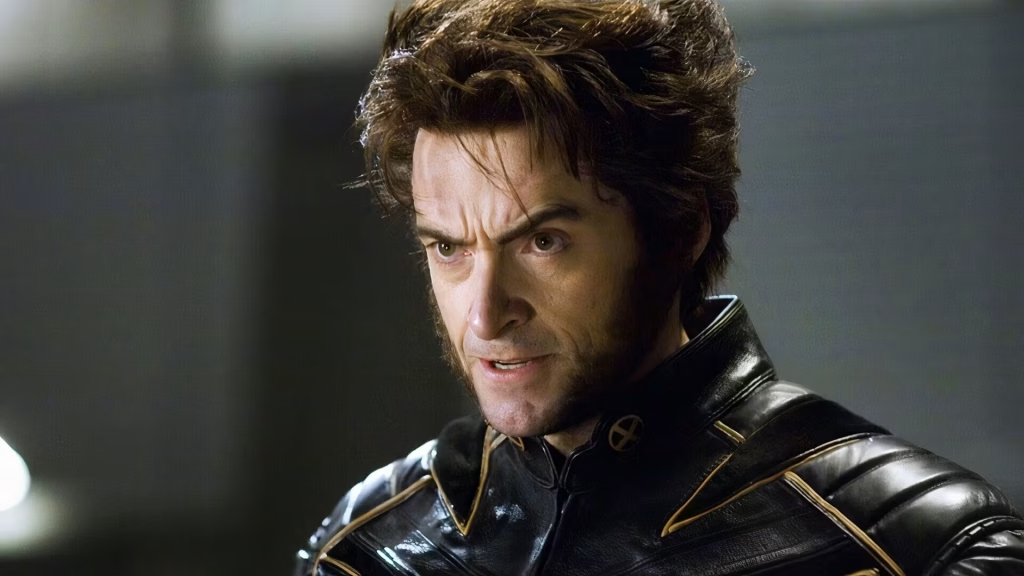
The Early 2000s: A Fresh Take
As the new millennium approached, superhero movies experienced a renaissance. “X-Men” (2000) and “Spider-Man” (2002), directed by Bryan Singer and Sam Raimi respectively, brought a more mature approach to the genre. These films highlighted complex characters and deeper themes, such as discrimination and responsibility.
The success of these films opened the floodgates for a wave of superhero adaptations. Christopher Nolan’s “Batman Begins” (2005) and “The Dark Knight” (2008) pushed the boundaries even further, exploring the psychological depths of characters and showcasing a gritty, realistic portrayal of the superhero mythos. Heath Ledger’s Oscar-winning performance as the Joker remains one of the most celebrated portrayals in film history, illustrating how superhero movies could convey profound themes while providing thrilling entertainment.
The Marvel Cinematic Universe: A Game Changer
The true game-changer in superhero films was the launch of the Marvel Cinematic Universe (MCU) with “Iron Man” (2008). This ambitious project introduced a shared universe concept that intertwined multiple superhero storylines. Robert Downey Jr.’s charismatic portrayal of Tony Stark set the tone for a new era of interconnected storytelling.
The MCU’s success hinged on meticulous planning, character development, and post-credit scenes that teased future films. Each new installment expanded the universe, introducing beloved characters like Thor, Captain America, and Black Widow. The culmination of this interconnected storytelling was “The Avengers” (2012), which became a cultural phenomenon, breaking box office records and redefining the superhero genre.
The Diversification of Superhero Movies

Embracing New Perspectives
As superhero films grew in popularity, filmmakers recognized the importance of representation. The genre began to embrace diverse characters and narratives, moving beyond traditional male-dominated storylines. “Wonder Woman” (2017), directed by Patty Jenkins, became a landmark film as it showcased a female superhero in a leading role, proving that female-led stories could resonate with audiences and achieve commercial success.
Similarly, “Black Panther” (2018) shattered stereotypes by presenting a predominantly Black cast and exploring themes of identity and cultural heritage. The film’s success demonstrated that diverse stories could captivate audiences and inspire conversations about representation in Hollywood.
Expanding Horizons with New Characters
The superhero genre is continually evolving, with new characters and stories emerging. Films like “Shang-Chi and the Legend of the Ten Rings” (2021) and “The Eternals” (2021) expanded the MCU’s roster, introducing audiences to lesser-known characters while celebrating diverse cultures and experiences.
This shift reflects a growing appetite for stories that resonate with broader audiences. As the genre diversifies, it allows filmmakers to explore various genres and styles within the superhero framework, from action-packed adventures to character-driven dramas.
Technological Advancements: Shaping the Future of Superhero Films

The Rise of CGI and Visual Effects
Technological advancements have played a crucial role in the evolution of superhero movies. With the rise of CGI (Computer Generated Imagery) and advanced visual effects, filmmakers can create breathtaking action sequences and fantastical worlds. This technological prowess has allowed for more immersive cinematic experiences, transporting audiences into the heart of the action.
“Avengers: Endgame” (2019) is a prime example of how modern technology can elevate superhero storytelling. The film seamlessly blends live-action performances with cutting-edge CGI, creating visually stunning battles and cosmic landscapes. The advancements in visual effects have turned previously unimaginable scenarios into reality, making the superhero genre a playground for innovative storytelling.
The Impact of Streaming Services
The advent of streaming services has also changed how superhero stories are told. Platforms like Disney+ have expanded the MCU’s narrative scope through limited series like “WandaVision,” “Loki,” and “The Falcon and the Winter Soldier.” These shows allow for deeper character exploration and provide fans with a more immersive experience.
This shift has also encouraged experimentation with different genres. For example, “WandaVision” cleverly blends sitcom aesthetics with superhero narratives, challenging conventional storytelling in the genre. This creative freedom opens up new possibilities for future projects, allowing filmmakers to push boundaries and redefine what superhero stories can be.
The Future of Superhero Movies

Continued Evolution and New Narratives
As we look to the future, the superhero genre shows no signs of slowing down. Upcoming projects promise to introduce even more diverse characters and innovative storytelling approaches. With films like “The Marvels” and “Blade” on the horizon, audiences can expect to see fresh perspectives and narratives that challenge the status quo.
Moreover, the genre is likely to explore themes of mental health, identity, and social justice more deeply. As filmmakers become more attuned to contemporary issues, superhero movies can continue to inspire and resonate with audiences on a personal level.
Building on Success
The superhero genre has come a long way since its inception, evolving from campy adaptations to complex narratives that reflect society’s values and challenges. As filmmakers strive to create stories that resonate with diverse audiences, the future of superhero movies looks bright.
The evolution of superhero films is not just about spectacular action and stunning visuals; it’s about telling compelling stories that connect with audiences on a human level. As we celebrate the genre’s past, we can also look forward to a future filled with exciting possibilities, new heroes, and diverse narratives that inspire and entertain.
Conclusion: A Journey of Transformation
Superhero movies have undeniably transformed the landscape of modern cinema. From their early beginnings to the interconnected universes of today, these films have continually pushed boundaries and redefined storytelling. As the genre evolves, it remains a powerful force in entertainment, capable of inspiring, uniting, and entertaining audiences worldwide.
With each new film and character, the superhero genre proves its enduring appeal, inviting fans to believe in the extraordinary. So, grab your popcorn, don your favorite superhero t-shirt, and prepare for the next chapter in this incredible journey!
Final Thoughts
The evolution of superhero movies is a testament to the power of storytelling and the ability of cinema to reflect societal changes. As we anticipate the future of this beloved genre, one thing is certain: superheroes will continue to captivate our hearts and imaginations for generations to come.


